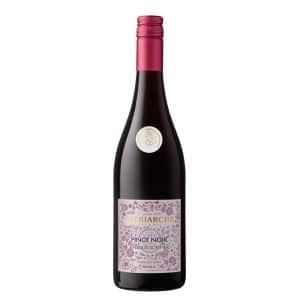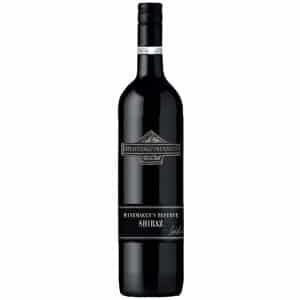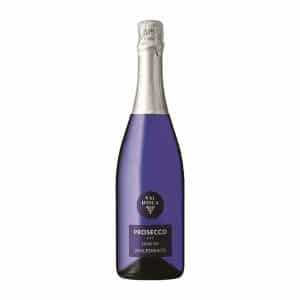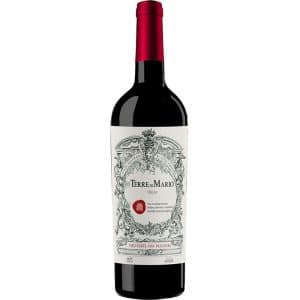
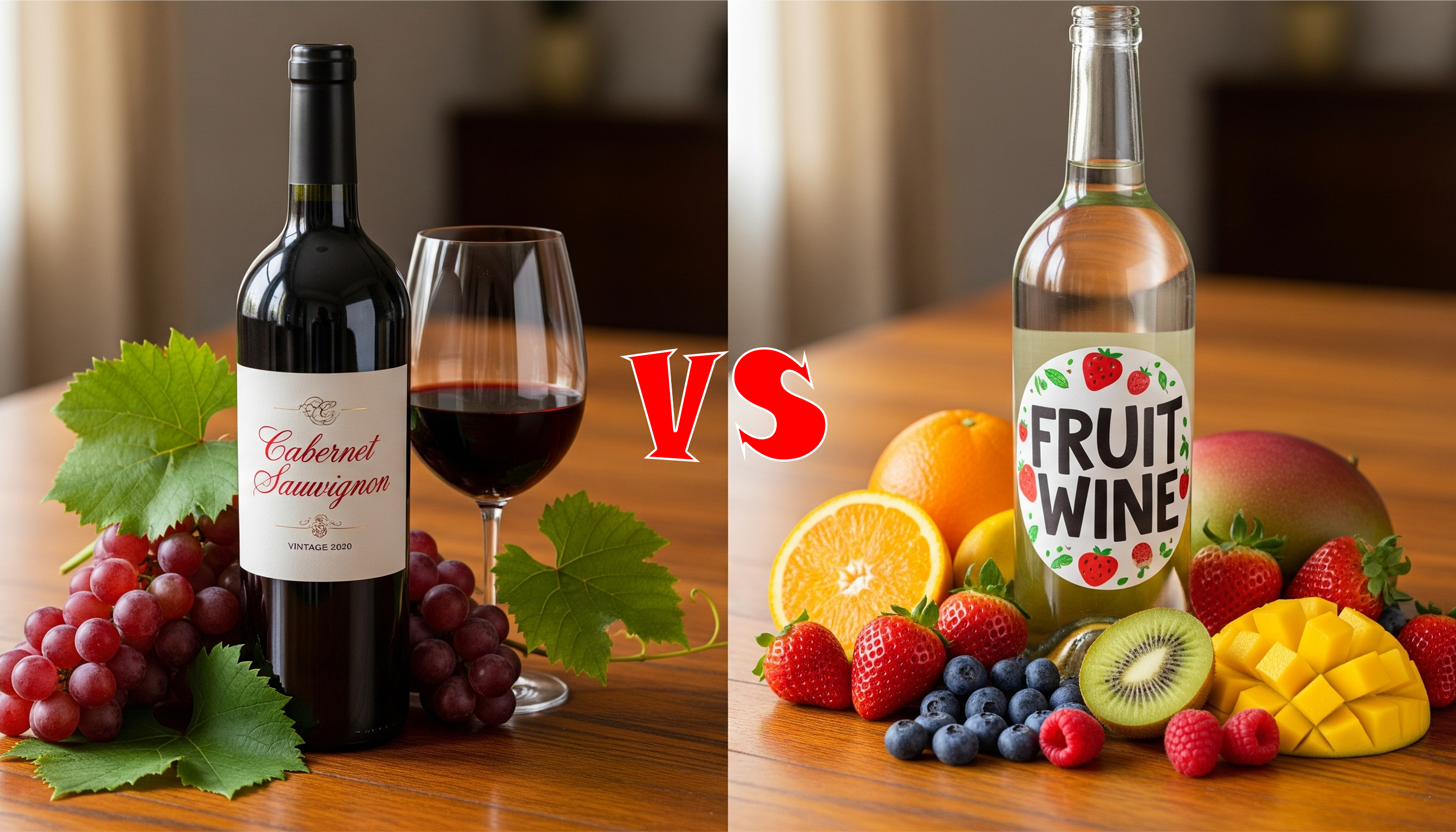
Alright, picture this: you’re at a fancy-ish gathering. Someone saunters up, swirling a glass and proclaiming, “Ah, this wine is exquisite!” You peer into their glass. Is it the deep ruby of Cabernet Sauvignon? The pale gold of a crisp Pinot Grigio? Or… is it suspiciously bright and smells faintly of grandma’s jam?
Chances are, if it’s the latter, you’ve stumbled upon the fascinating world of not-quite-grape wine. Now, don’t get me wrong, I’m all for a bit of fruity fun. But technically speaking, when someone just says “wine,” they’re usually talking about the good ol’ fermented juice of grapes. Think of it like this: if someone says “car,” you probably picture a regular four-wheeled automobile, not a unicycle (as cool as those are).
So, what’s the big deal? Why the grape-centric snobbery (said with a wink)? Well, let’s dive into some key differences between your classic grape vino and its fruity cousins, shall we?
The Main Squeeze (Pun Intended!):
- Grapes: These little orbs are like the Beyoncé of the wine world. They’ve got the perfect balance of sugars, acids, and tannins that make for a naturally well-rounded fermentation. Plus, centuries of cultivation have led to a gazillion different varieties, each with its own unique personality. Talk about range!
- Other Fruits (the Backup Dancers): Apples, berries, plums, even dandelions (yes, really!) can be fermented into alcoholic beverages. However, they often need a little help to get there.
- Sugar Adjustment: Many fruits don’t have as much natural sugar as grapes, so winemakers might need to add some to get the alcohol levels up. Think of it as giving the fermentation process a little extra fuel.
- Acid Balancing: Some fruits are too tart, others not tart enough. Adjusting the acidity is crucial for flavor and stability. It’s like making sure the band doesn’t sound too screechy or too flat.
- Tannin Tweaking: That slightly bitter, mouth-drying sensation you get from some red wines? That’s often thanks to tannins found in grape skins and seeds. Other fruits might lack these, leading to a different mouthfeel.
Flavor Fiesta:
- Grape Wine: The flavor profiles are incredibly diverse, ranging from earthy and bold reds to crisp and citrusy whites. You can get notes of everything from blackcurrant and leather to grapefruit and honeydew. It’s like a never-ending tasting adventure!
- Fruit Wine: These tend to be a bit more straightforward, often showcasing the dominant flavor of the fruit used. Strawberry wine will likely taste distinctly of strawberries, while a blueberry wine will have that sweet-tart berry vibe. Think of it as a more direct representation of the star ingredient.
The Legal Lowdown (Keep Your Corks On!):
In many regions (especially in Europe), the term “wine” legally refers only to grape wine. If it’s made from anything else, it has to be labeled as “fruit wine,” “country wine,” or specify the fruit (like “apple wine” or “plum wine”). This isn’t just being pedantic; it helps consumers know exactly what they’re sipping.
So, the next time you see a bottle labeled simply “wine,” you can bet your bottom Baht it’s made from grapes (unless you’re in a very specific, possibly very quirky, location). But hey, don’t knock the other fruity contenders until you’ve tried them! They might not be “wine” in the traditional sense, but they can certainly be a delicious and fun alternative. Just remember, when someone says “wine,” it’s probably best to clarify if you spot a suspicious shade of electric blue.